Best Testosterone Booster 2026: A Buyer's Guide to Clinically Dosed, Honestly Labelled Formulas
Quick Answer: What Makes a Testosterone Booster the Best in 2026?
The best testosterone booster in 2026 is defined by clinically dosed, individually listed ingredients, third-party testing and a transparent label — not marketing. Prioritise standardised Tongkat Ali, ashwagandha, vitamin D and zinc at researched amounts, skip proprietary blends and tribulus, and judge every product by whether its panel actually matches the published human trials.
- Clinically dosed actives you can check: Tongkat Ali 200–400mg, ashwagandha 300–600mg, vitamin D 3000–5000 IU, zinc 30mg.
- Transparency wins: a full-disclosure label plus third-party or GMP testing beats any "proprietary blend."
- Evidence over hype: around 90% of boosters claim a testosterone rise; under 25% have data to back it.
If you are hunting for the best testosterone booster for 2026, the fastest way to save money is to stop shopping by the front of the box and start shopping by the back of it. The category is crowded, loud and largely interchangeable, yet a small number of products stand apart for one unglamorous reason: they tell you exactly how much of each ingredient you are getting, at doses that match the studies, and they let an outside lab check the work. That is the entire buyer's edge, and this guide is built around it.
Everything below is organised so you can walk into any store — a pharmacy shelf, an Amazon listing, an official manufacturer site — and rank the options yourself in about ninety seconds. No hype, no leaderboard bought by the highest bidder, just the four filters that separate an evidence-first formula from an expensive placebo.
What actually makes the "best testosterone booster" in 2026
Ask ten brands and you will get ten answers, almost all of them about how their blend is "proprietary," "advanced" or "clinically inspired." Ignore the adjectives. In 2026 the best testosterone booster is simply the one that clears four plain tests, in order of importance.
One, disclosed doses. Every active ingredient shows its milligrams on the label. If a formula hides amounts inside a single blended weight, you cannot compare it to any study, and neither can anyone else. That is usually the point of a blend.
Two, clinically relevant amounts. Disclosure only helps if the numbers are big enough to matter. A label can proudly list Tongkat Ali and still contain a tenth of the studied dose. Real doses cost real money, which is why underdosing is the industry's favourite way to look premium while spending little.
Three, third-party or GMP testing. Supplements are lightly regulated, so independent verification is how you know the capsule contains what the panel promises and nothing it should not. A GMP-certified facility and a published certificate of analysis are green flags.
Four, a short, evidence-backed ingredient list. The strongest formulas are not the ones with thirty botanicals. They are the ones with four or five ingredients that each have human trials behind them, dosed properly, with nothing added just to lengthen the label.
The evidence problem: 90% claim, under 25% deliver
Here is the fact that should reframe your whole search. A review from the Keck School of Medicine at the University of Southern California examined over-the-counter testosterone boosters and found that roughly 90% of them claimed to raise testosterone, while fewer than a quarter had any scientific data to support that claim. Read that again: most of the category is marketing wearing a lab coat. Whether the category deserves its reputation at all is the question we take apart in are testosterone boosters legit.
That does not mean nothing works. It means the working products are a minority hiding inside a majority of noise, and the only way to find them is to check ingredients and doses against the studies rather than trusting the headline on the bottle. The good news is that the shortlist of ingredients with genuine human evidence is small enough to memorise, which is exactly what makes an informed buyer dangerous to a hype-driven market.
The four ingredients worth paying for
Across the randomised human trials, four ingredients earn their place for most men. Learn these four numbers and you can audit almost any label on sight.
Tongkat Ali (Eurycoma longifolia), 200–400mg standardised. The most-studied natural testosterone ingredient, with multiple randomised trials and a 2022 meta-analysis reporting meaningful increases, particularly in stressed or low-baseline men. Our deep dive on Tongkat Ali evidence and correct dosage walks through the trials one by one.
Ashwagandha (KSM-66 or Sensoril), 300–600mg. Best evidence of the adaptogens, studied for stress, cortisol and modest testosterone shifts in overworked and sedentary men. Dose and standardisation matter as much as the name.
Vitamin D, 3000–5000 IU. Not a "booster" so much as a corrector. In men who are deficient, restoring vitamin D can support normal hormone production; in men who are already replete, expect little. Cheap, well-evidenced and worth having in the stack.
Zinc, ~30mg. Genuinely required for normal male hormone production. Fixing a shortfall can help; megadosing an already-adequate intake does not, and very high intakes interfere with copper. Thirty milligrams is the sensible, studied ballpark.
The clinical-dose cheat sheet
| Ingredient | Clinical dose to look for | Who benefits most | Strength of evidence |
|---|---|---|---|
| Tongkat Ali (standardised) | 200–400mg | Stressed or low-baseline men | Strongest of the botanicals |
| Ashwagandha (KSM-66 / Sensoril) | 300–600mg | Overworked, high-cortisol, sedentary men | Good, still building |
| Vitamin D | 3000–5000 IU | Men who are deficient | Solid for repletion only |
| Zinc | ~30mg | Men with inadequate intake | Good for repletion only |
| Tribulus terrestris | Any | Nobody, for testosterone | Negative (2014 review) |
| Proprietary "blend" | Undisclosed | The marketing team | Unverifiable by design |
Shop the panel, not the promise
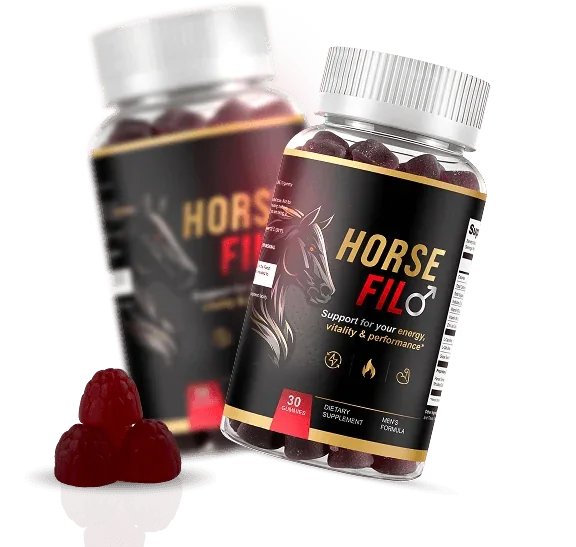
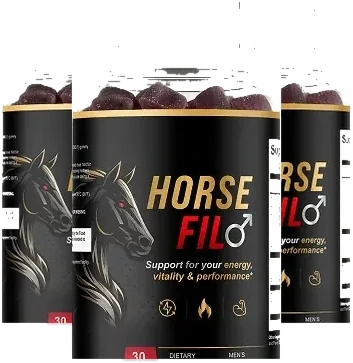
Horsefil is a men's vitality gummy for energy, stamina and blood-flow support — L-citrulline, L-carnitine, maca root, panax ginseng and rhodiola, each printed with its amount. It is not a hormone product, and it does not pretend to be. What it does share with every pick on this list is a label you can actually audit. That transparency is the whole test.
See Horsefil at the Official StoreRed flags that knock a product off the 2026 shortlist
Proprietary blends. The single biggest tell. A "Men's Test Matrix — 1,500mg" line means you have no idea whether the Tongkat Ali inside is a studied 300mg or a decorative 15mg. If you cannot see the milligrams, you cannot compare, and you should assume the cheapest possible split.
Tribulus terrestris headlining the formula. It has been on labels for decades on reputation alone. A widely cited 2014 review concluded tribulus does not raise testosterone in men. It may support libido for some, which is a separate outcome, but as a testosterone driver it keeps failing when tested.
Thirty-ingredient "kitchen sink" panels. A long list looks generous and almost always means every dose is tiny. Real doses take up real space in a capsule; you cannot fit clinical amounts of twenty things into two small pills.
No testing, no facility disclosure. If a brand will not name a GMP-certified facility or share a certificate of analysis, you are trusting the marketing to be honest about the manufacturing. That is a lot of trust for a category this loosely policed.

Three myths that sell bad boosters
Myth one: more ingredients means a stronger formula. The opposite is usually true. Crowded labels dilute the budget across so many actives that none reach a working dose. The best testosterone booster is often the one with the shortest, best-dosed list, not the longest.
Myth two: "natural" means proven. "Natural" is an unregulated word that says nothing about evidence or dose. Plenty of natural ingredients failed their trials, and a natural label with hidden amounts is no better than a synthetic one. For how to read that word properly, see our guide on what a natural testosterone booster should really contain.
Myth three: bestseller rank equals effectiveness. Marketplace rankings reward ad spend, review velocity and price promotions, not milligrams or trial data. A number-one bestseller can be a proprietary blend of underdosed botanicals. Rank tells you what sells, never what works.
How to read a label like a buyer, not a fan
Flip the bottle. Find the supplement facts panel. Run four checks in this order: Are amounts disclosed per ingredient, or hidden in a blend? Do the headline actives hit their clinical dose ranges from the cheat sheet above? Is there tribulus doing the heavy lifting or a thirty-item kitchen sink? Is there any sign of third-party testing or a GMP facility? Four yes-or-no answers, ninety seconds, and you have ranked the shelf more accurately than most review sites. If you want the deeper version of this audit applied to real trial data, our companion piece on whether testosterone boosters really work takes it ingredient by ingredient.
What a fair price looks like in 2026
Clinical doses are not free. Standardised Tongkat Ali and properly standardised ashwagandha cost meaningfully more than filler botanicals, so a genuinely dosed formula tends to land around 40 to 70 dollars a month at single-bottle pricing, with multi-bottle bundles pulling the per-month cost down. Two failure modes bracket that range. Far below it, and the doses are almost always too small to match the studies — you are buying a label, not a formula. Far above it, and you are usually funding influencer budgets rather than milligrams. The number that matters is not sticker price but cost per clinical dose, and a transparent label is the only way to calculate it.
The best testosterone booster in 2026 is not the one with the boldest promise or the biggest ad budget. It is the one whose label you can hold up next to a study and find that the numbers match. Everything else is packaging.
Where Horsefil fits in this picture
Straight answer: Horsefil is a men's vitality gummy, not a testosterone product, and it makes no hormone claim. Its actives are L-citrulline and L-carnitine alongside maca root, panax ginseng and rhodiola rosea, studied for blood flow, everyday energy and stamina rather than a laboratory hormone value. We include it here not as a "T-booster pick" but as an example of the standard this guide is built on: every ingredient named, every amount printed, made in a GMP-certified facility, so you can check the panel against the research instead of trusting a slogan. If your goal is a higher number on a blood test, that route runs through testing, sleep, body composition and a clinician plus the four evidence-backed ingredients above. If your goal is transparent support for daily energy and performance, Horsefil is built to be judged on its numbers.
Medical note: this article is general information, not medical advice. No supplement diagnoses, treats, cures or prevents any condition, and clinically low testosterone is a medical condition best confirmed with a morning blood test and a clinician. Tell your doctor about every supplement you take, as several interact with prescribed medicines.
Related reading
Frequently asked questions
What makes a testosterone booster the best in 2026?
The best testosterone booster in 2026 is the one built on clinically dosed, individually disclosed ingredients rather than a proprietary blend. Look for standardised Tongkat Ali at 200 to 400mg, ashwagandha at 300 to 600mg, vitamin D at 3000 to 5000 IU and zinc near 30mg, backed by third-party testing and a transparent label you can check against published trials.
Do any testosterone boosters actually raise testosterone?
Some do, in specific men. A USC Keck review found roughly 90 percent of over-the-counter boosters claim to raise testosterone while under 25 percent had supporting data. The ingredients with real human trials, such as Tongkat Ali, ashwagandha and repletion of low vitamin D or zinc, tend to help men who started stressed, deficient or low-normal, not men who are already mid-range.
Which ingredients should a top booster contain?
Favour a short list with evidence and honest doses: standardised Tongkat Ali 200 to 400mg, ashwagandha 300 to 600mg, vitamin D 3000 to 5000 IU and zinc around 30mg. Be wary of tribulus, which a 2014 review found did not raise testosterone, and of proprietary blends that hide how much of anything you are actually getting.
How much should a quality booster cost per month?
A transparent, clinically dosed booster usually lands somewhere around 40 to 70 dollars a month, with multi-bottle orders lowering the per-month figure. Pay much less and the doses are often too small to match the trials; pay much more and you are usually funding marketing rather than milligrams. Cost per clinical dose matters more than sticker price.
Scientific references
- Clemesha C.G., Thaker H., Samplaski M.K. — “Testosterone boosting” supplements composition and claims are not supported by the academic literature, World Journal of Men’s Health (2020)
- Leisegang K. et al. — Eurycoma longifolia (Jack) improves serum total testosterone in men: a systematic review and meta-analysis of clinical trials, Medicina (2022)
- Qureshi A. et al. — A systematic review on the herbal extract Tribulus terrestris and the roots of its putative aphrodisiac and performance enhancing effect, Journal of Dietary Supplements (2014)
- NIH Office of Dietary Supplements — Zinc Fact Sheet for Health Professionals
- NIH Office of Dietary Supplements — Vitamin D Fact Sheet for Health Professionals
Buy the label you can check
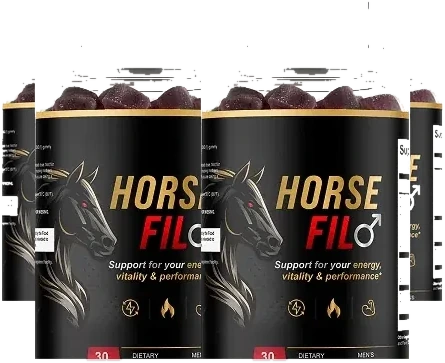
L-citrulline, L-carnitine, maca root, panax ginseng and rhodiola — each printed with its amount, made in a GMP-certified facility, for everyday energy, stamina and blood-flow support. No hormone claim, just numbers you can audit against the research.
Check Horsefil at the Official Store