Natural Testosterone Booster: What to Look For on the Label
Quick Answer: What Does a Natural Testosterone Booster Actually Mean?
A natural testosterone booster uses plant extracts, vitamins and minerals to support your body's own hormone production, rather than supplying a synthetic hormone. But "natural" is unregulated and guarantees nothing on its own. The real signal is the label: standardised extracts, disclosed milligrams at clinically studied doses, third-party testing and no hidden proprietary blends.
- "Natural" is marketing, not a standard: the supplement facts panel is the only real proof.
- Look for standardised extracts with disclosed mg: Tongkat Ali 200–400mg, ashwagandha 300–600mg, vitamin D 3000–5000 IU, zinc 30mg.
- Proprietary blends hide underdosing; GMP and third-party testing show the formula is real.
Search for a natural testosterone booster and you will drown in bottles promising to be pure, plant-based and clinically inspired. Almost none of that language means what shoppers assume it means. "Natural" is one of the least regulated words in the supplement aisle, and a formula can wear it proudly while hiding underdosed extracts behind a blend name. The men who buy well are not chasing the word on the front. They are reading the panel on the back, where a real natural formula either proves itself or falls apart.
This guide is about that panel. By the end you will be able to tell, in under a minute, whether a "natural" label is an honest, clinically dosed formula or a filler product dressed in green packaging — and why that distinction, not the marketing, is the whole game.
What "natural" really means on a testosterone booster
Start with the uncomfortable truth: on a supplement, "natural" has no fixed legal definition tied to dose or efficacy. It broadly signals that the actives come from plants, vitamins and minerals rather than a synthetic anabolic hormone, and that is a genuinely meaningful line — a natural booster is not steroids, and it works with your body's own production rather than replacing it. But that is where the guarantee ends. "Natural" says nothing about how much of each ingredient is inside, whether it is standardised, or whether a single study supports it.
So treat the word as a category, not a credential. It tells you what kind of product you are holding, never how good it is. Two bottles can both say "100% natural men's formula" while one delivers 300mg of standardised Tongkat Ali and the other delivers a decorative pinch hidden inside a blend. The label is the only thing that tells them apart.
The label tells that separate real formulas from filler
Flip the bottle and look for four signals. Together they are a reliable lie detector for the entire natural category.
Standardisation. A quality extract states what it is standardised to — for example, Tongkat Ali standardised for eurycomanone, or ashwagandha as KSM-66 or Sensoril. Standardisation means each batch delivers a consistent, active concentration. A raw "root powder" with no standardisation is cheaper and far weaker, and it is what filler formulas quietly use.
Disclosed milligrams per ingredient. Every active should show its own amount. If the panel lists a group of herbs under one combined weight, you cannot know whether any of them hit a studied dose. That is not an accident of formatting; it is the design.
Clinically relevant amounts. Disclosure is only useful if the numbers are big enough. Match the headline actives against the researched ranges: Tongkat Ali 200–400mg, ashwagandha 300–600mg, vitamin D 3000–5000 IU, zinc around 30mg. A named ingredient at a fraction of its dose is a label decoration, not a working ingredient.
Third-party testing and GMP manufacturing. Because supplements are lightly policed, outside verification is how you know the capsule matches the panel. A GMP-certified facility and an available certificate of analysis are the difference between a claim and a checked fact. Our full 2026 buyer's guide to the best testosterone booster turns these four tells into a ranked shopping checklist.
Which natural ingredients actually have evidence
A short list carries the weight. Learn it and most "natural" labels reveal themselves instantly.
Tongkat Ali (Eurycoma longifolia). The most-studied natural testosterone ingredient, with several randomised trials and a 2022 meta-analysis reporting meaningful increases, especially in stressed or low-baseline men. Standardised, 200–400mg. Our detailed breakdown of the Tongkat Ali evidence and dosing covers the trials in full.
Ashwagandha. The best-evidenced adaptogen, studied for stress, cortisol and modest testosterone shifts in overworked, sedentary men. Look for KSM-66 or Sensoril at 300–600mg.
Vitamin D and zinc. The repletion pair. In men who are deficient, restoring vitamin D (3000–5000 IU) and zinc (~30mg) supports normal hormone production. In men already replete, expect little — you cannot top up a full tank.
The famous failure: tribulus terrestris. It headlines countless "natural" boosters on reputation alone, yet a widely cited 2014 review found it does not raise testosterone in men. If tribulus is doing the heavy lifting on a label, the formula is selling nostalgia.
Natural ingredient evidence at a glance
| Ingredient | What to look for | Clinical dose | Evidence |
|---|---|---|---|
| Tongkat Ali | Standardised extract, disclosed mg | 200–400mg | Strongest of the botanicals |
| Ashwagandha | KSM-66 or Sensoril | 300–600mg | Good, still building |
| Vitamin D | D3, per-serving IU listed | 3000–5000 IU | Solid for repletion only |
| Zinc | Chelated form, own line | ~30mg | Good for repletion only |
| Tribulus terrestris | — | Any | Negative for testosterone (2014) |
A "natural" label you can actually read
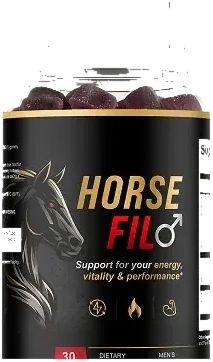
Horsefil is a natural men's vitality gummy — L-citrulline, L-carnitine, maca root, panax ginseng and rhodiola — and every active is printed with its amount, made in a GMP-certified facility. It is not a hormone product and makes no testosterone claim, but it is built the way this guide says a natural formula should be: standardised, disclosed and checkable.
See Horsefil at the Official StoreThree myths that "natural" marketing relies on
Myth one: natural means safe. Natural and safe are not synonyms. Plenty of natural compounds interact with medications or upset the stomach, and an unregulated word is no promise of clean manufacturing. Real safety comes from honest dosing, a GMP facility and full disclosure — not from the leaf on the label. If you take prescription medicine, ask a clinician before starting anything.
Myth two: natural means it works. A natural ingredient can have zero human evidence, and many do. Tribulus is natural and failed its trials. "Natural" describes an origin, never a result. The only proof of function is a studied ingredient at a studied dose, printed where you can see it.
Myth three: if it's herbal, the dose doesn't matter. The opposite is true — botanicals are where underdosing hides best, because shoppers rarely know the target amount. A herbal booster with hidden milligrams is easier to underdose than a vitamin, not harder. The dose always matters, and the label is where you confirm it.
Why proprietary blends are the enemy of "natural"
The proprietary blend is the natural category's favourite trick. It lists several appealing herbs under one combined weight — say, a "Natural Vitality Complex, 1,200mg" — so the front of the box can boast a long, botanical, wholesome ingredient list while the actual amount of each active stays secret. That secrecy almost always exists to hide underdosing. If a brand were putting a full 300mg of standardised Tongkat Ali in the capsule, it would say so proudly, because that dose is expensive and impressive. When the number is hidden, assume it is small. A genuinely natural, genuinely dosed formula has no reason to keep its milligrams from you. Blends hide behind chewable formats just as easily as capsules, a point we develop in our comparison of gummies versus capsules.
Natural is not the same as TRT — and that is fine
One line has to be drawn clearly, because misreading it wastes money and sometimes health. A natural testosterone booster is not a substitute for testosterone replacement therapy. TRT is a prescribed medical treatment for a diagnosed condition; natural supplements are not, and no honest one claims to be. What the best natural ingredients can offer is modest support, concentrated mostly in men who are stressed, deficient or starting low-normal — a nudge, not a cure. If you suspect a real deficiency, the answer is a morning blood test and a clinician, not a bottle. For the drug-free habits that move the needle most reliably alongside any supplement, see our guide to natural ways to increase testosterone.
A natural testosterone booster is only as natural as its worst hidden dose. The green packaging is decoration. The standardised extract, the printed milligrams and the third-party certificate are the product.
A 60-second natural-label audit
Here is the whole method, fast. One: is each active shown with its own milligrams, or buried in a blend? Two: are the headline extracts standardised, and do they hit the clinical ranges above? Three: is tribulus pretending to be the star, or is there a thirty-item filler list? Four: is there any sign of a GMP facility or third-party testing? Four honest answers and you have judged a "natural" formula more accurately than the brand's entire marketing department wanted you to. The word on the front never survives that audit; only the panel does.
Where Horsefil fits in this picture
To be direct: Horsefil is a natural men's vitality gummy, not a testosterone product, and it makes no hormone claim. Its actives are L-citrulline and L-carnitine with maca root, panax ginseng and rhodiola rosea, studied for blood flow, everyday energy and stamina rather than a laboratory hormone value. We include it here as a model of how a natural formula should present itself: each ingredient named, each amount printed, standardised where standardisation matters, and made in a GMP-certified facility. That is the standard we ask you to hold every "natural" booster to, ours included — judge it by the panel, not the promise.
Medical note: this article is general information, not medical advice. "Natural" does not mean risk-free, and no supplement diagnoses, treats, cures or prevents any condition. If you think your testosterone may be low, ask a healthcare professional for proper testing, and tell them about every supplement and medicine you take.
Related reading
Frequently asked questions
What does a natural testosterone booster actually mean?
A natural testosterone booster is a supplement that uses plant extracts, vitamins and minerals rather than synthetic hormones to support the body's own hormone production. The word natural is not regulated, so it guarantees nothing about dose or evidence. What matters is whether the label lists standardised extracts at disclosed, clinically studied milligrams.
Are natural testosterone boosters safe?
For most healthy men, the well-studied natural ingredients, Tongkat Ali, ashwagandha, vitamin D and zinc, are generally well tolerated at label doses, with mild possible effects such as sleep changes or stomach upset. Safety depends on honest dosing, a GMP facility and full disclosure. Anyone on medication or with a health condition should check with a doctor first.
Which natural ingredients have real evidence?
The natural ingredients with genuine human trials are standardised Tongkat Ali at 200 to 400mg, ashwagandha at 300 to 600mg, and repletion of vitamin D at 3000 to 5000 IU and zinc at around 30mg in men who are low. Tribulus, despite its popularity, did not raise testosterone in a 2014 review.
Can a natural booster replace TRT?
No. Testosterone replacement therapy is a prescribed medical treatment for clinically diagnosed low testosterone, and no natural booster is equivalent to it. Natural ingredients may offer modest support, mainly in men who are stressed, deficient or low-normal, but they do not treat a medical condition. Clinically low testosterone needs a doctor, not a supplement.
Scientific references
- Leisegang K. et al. — Eurycoma longifolia (Jack) improves serum total testosterone in men: a systematic review and meta-analysis of clinical trials, Medicina (2022)
- Lopresti A.L. et al. — A randomized, double-blind, placebo-controlled, crossover study examining the hormonal and vitality effects of ashwagandha (Withania somnifera) in aging, overweight males, American Journal of Men's Health (2019)
- Qureshi A. et al. — A systematic review on the herbal extract Tribulus terrestris and the roots of its putative aphrodisiac and performance enhancing effect, Journal of Dietary Supplements (2014)
- NIH Office of Dietary Supplements — Zinc Fact Sheet for Health Professionals
- U.S. FDA — questions and answers on dietary supplements and labelling
Choose the panel you can trust
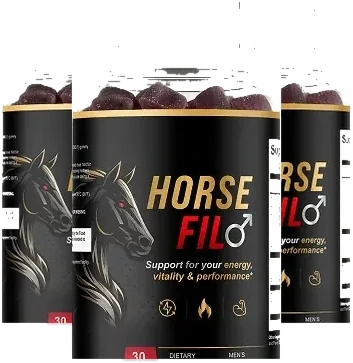
L-citrulline, L-carnitine, maca root, panax ginseng and rhodiola — each printed with its amount, made in a GMP-certified facility, for everyday energy, stamina and blood-flow support. A natural formula honest enough to show its numbers.
Check Horsefil at the Official Store