Tongkat Ali Testosterone: The Human Evidence and the Right Dose
Quick Answer: How Much Tongkat Ali Should I Take for Testosterone?
For testosterone, the human trials used 200 to 400mg per day of a standardised Tongkat Ali extract, usually a 100:1 water extract standardised for eurycomanone, taken once daily for four to twelve weeks. Five published randomised trials and a 2022 meta-analysis reported significant increases, with stronger effects in stressed and low-baseline men.
- Studied dose: 200–400mg per day, standardised 100:1, taken for 4–12 weeks.
- Evidence: 5 RCTs plus a 2022 meta-analysis showed significant testosterone increases; it may also lower cortisol.
- Well tolerated for most: mild possible effects on sleep and heart rate, so take it in the morning.
If you are researching Tongkat Ali testosterone claims, you have landed on the one botanical in this category that actually earned its reputation in humans rather than in rodents or marketing copy. Known formally as Eurycoma longifolia and sometimes as longjack, it is now the most-studied natural testosterone ingredient, with a genuine trail of randomised human trials and a 2022 meta-analysis pulling them together. That evidence base is what separates it from the tribulus-and-hope crowd — but the details of dose, standardisation and timing decide whether you get the studied version or a decorative sprinkle.
This article summarises what the human research shows, the dose ranges those studies used, how long effects took to appear, and the honest limits and side effects. No hype, no overstated promises — just the evidence and the numbers you can act on.
What Tongkat Ali actually is
Tongkat Ali is a root extract from the Eurycoma longifolia shrub, native to Southeast Asia, where it has a long traditional use for vitality and stamina. The modern supplement is not raw root but a concentrated extract, and this is where labels start to matter. The trials that matter used a standardised water extract, often described as 100:1, standardised for its active compounds — principally eurycomanone and a group of quassinoids. Standardisation is the whole ballgame: a "100:1 extract standardised for eurycomanone" delivers a consistent, active dose, while a vague "root powder" can be far weaker and is impossible to compare against the research. When you read a label, the standardisation line is the first thing to check, exactly as our guide to what a natural testosterone booster should contain lays out.
What the Tongkat Ali testosterone evidence actually shows
Here is the careful version, because the honest strength of this ingredient is in the details. Across roughly five published randomised controlled trials and a 2022 meta-analysis, standardised Tongkat Ali was associated with statistically significant increases in testosterone in men. Crucially, the effect appeared in both healthy men and in men with lower baseline or hypogonadal status, which is broader than most natural ingredients can claim. Several trials also reported improvements in markers of stress and, in some, in aspects of mood, energy and sexual well-being.
Two honest caveats belong right here. First, many of the trials were relatively small, as is normal for botanical research, so the meta-analysis is what gives the pattern its weight rather than any single study. Second, the size of the reported increase is meaningful but not magical — this is a real, measurable effect in controlled conditions, not a category jump from the bottom of the range to the top. Read that way, Tongkat Ali is the strongest natural option precisely because it does not need exaggeration to look good. For how it stacks up against the rest of the shelf, our 2026 buyer's guide to the best testosterone booster places it in context.
The right dose: 200–400mg standardised, for 4–12 weeks
The studied dose is refreshingly consistent. Most trials used 200 to 400mg per day of a standardised extract, taken once daily, over a course of four to twelve weeks. That is the window where the testosterone and stress effects were measured, and it is the number a serious formula will match. A few practical rules follow from the research:
Standardisation over raw weight. 200mg of a properly standardised 100:1 extract beats 500mg of an unstandardised powder. Always read what the extract is standardised to, not just the milligram figure.
More is not better. Pushing well past 400mg does not clearly add benefit in the trials, and it does raise the odds of the mild side effects below. The dose-response is not "double it, double the result."
Consistency beats intensity. This is a multi-week ingredient. Daily dosing across the full course is what produced the effects; sporadic use does not reproduce the studies.
Tongkat Ali dosing and evidence at a glance
| Question | What the research supports |
|---|---|
| Daily dose | 200–400mg standardised extract, once daily |
| Standardisation | 100:1 water extract, standardised for eurycomanone |
| Course length | 4–12 weeks of consistent use |
| Who responds most | Stressed men and those with low-normal or hypogonadal baseline |
| Evidence base | ~5 RCTs plus a 2022 meta-analysis showing significant increases |
| Bonus effect | May lower cortisol, the primary stress hormone |
| Best time to take | Morning, to avoid sleep disruption |
Doses you can verify beat doses you can't
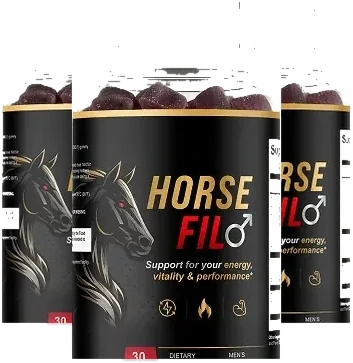
The lesson from the Tongkat Ali research applies to any men's formula: standardisation and a disclosed milligram figure are what make an ingredient real. Horsefil is a men's vitality gummy — L-citrulline, L-carnitine, maca root, panax ginseng and rhodiola — and it prints the amount of every active so you can check it. It is not a hormone product, but it is built on the same transparency this evidence demands.
See Horsefil at the Official StoreThe cortisol angle worth understanding
One of the more interesting findings across the Tongkat Ali trials is that it may lower cortisol, the body's primary stress hormone. This matters because chronic stress and high cortisol are associated with suppressed testosterone, so part of the ingredient's benefit may work indirectly — by easing the stress load that was holding hormones down in the first place. It also helps explain why the strongest responders in the studies tended to be stressed, overworked or run-down men rather than already-relaxed, already-optimised ones. If your testosterone is being blunted by stress and poor recovery, an ingredient that nudges cortisol down has somewhere useful to act. If it is not, there is less room to move.
How long Tongkat Ali takes to work
Set expectations to weeks, not days. In the trials, the measurable hormone and stress changes were reported after several weeks of daily use, within that four-to-twelve-week window. Some men report earlier subjective changes in energy, mood or stress resilience in the first couple of weeks, which is plausible given the cortisol effect, but the hormonal shifts are a slower build. The practical takeaway is simple: judge Tongkat Ali on a full course, not a few days, and do not conclude it "isn't working" before you have given it the time the studies used.

Safety, side effects and who should be careful
For most healthy adults, standardised Tongkat Ali at 200 to 400mg daily was generally well tolerated in the trials. The side effects that do show up are usually mild: lighter or more restless sleep, a feeling of overstimulation, and in some people a slightly elevated heart rate. Because of the sleep and stimulation angle, morning dosing is the sensible default. As with any active botanical, quality and purity matter — older concerns about heavy-metal contamination in poorly sourced extracts are a reason to favour products made in GMP-certified facilities with third-party testing. And the standard caution applies with force here: anyone pregnant, taking medication, or managing a health condition should talk to a clinician before starting, because botanicals can interact with prescribed drugs.
Three myths about Tongkat Ali
Myth one: it's basically a natural steroid. No. Tongkat Ali does not supply a hormone; it appears to support the body's own production and reduce stress-related suppression. The effect size is modest and real, not anabolic. Treating it like a steroid sets expectations that guarantee disappointment.
Myth two: more milligrams equal more testosterone. The trials do not support megadosing. Benefits cluster in the 200–400mg standardised range, and going higher mainly increases side-effect risk. Standardisation and consistency beat brute-force dosing every time.
Myth three: it works for everyone equally. The strongest responders were stressed and low-baseline men. If you are already relaxed, well-slept and mid-range, there is simply less room to move — a theme that runs through all natural boosters and one reason drug-free habits still matter, as covered in our guide to natural ways to increase testosterone.
Tongkat Ali vs Fadogia Agrestis
The trendy pairing deserves a straight answer. Fadogia Agrestis has surged in popularity alongside Tongkat Ali, often sold in the same stacks, but the evidence gap between them is wide. Tongkat Ali has multiple human randomised trials and a 2022 meta-analysis; Fadogia has essentially no human trials and rests on a small number of animal studies, some of which raised organ-safety concerns at high doses. That is not a close call. For a natural testosterone ingredient backed by human data and a reasonable safety record, Tongkat Ali is the more defensible pick, and Fadogia is best treated as experimental until human research catches up.
Tongkat Ali earned its place the hard way: in human trials, at a specific standardised dose, over a specific number of weeks. Respect the 200–400mg standardised figure and the four-to-twelve-week window, and you are using the version that was actually studied — not the marketing version.
Where Horsefil fits in this picture
Full transparency: Horsefil is a men's vitality gummy, not a Tongkat Ali product, and it makes no testosterone claim. Its actives are L-citrulline and L-carnitine with maca root, panax ginseng and rhodiola rosea, studied for blood flow, everyday energy and stamina rather than a hormone value. We cover Tongkat Ali in this depth because it demonstrates the standard every men's ingredient should meet: a standardised extract, a disclosed dose that matches human trials, and manufacturing you can verify. That is exactly how Horsefil is built — every active named with its amount, made in a GMP-certified facility — so you can judge it on the same evidence-first terms, by the panel rather than the promise. If raising a measured hormone level is your specific goal, that runs through testing, a clinician, and ingredients like properly dosed Tongkat Ali.
Medical note: this article is general information, not medical advice. No supplement diagnoses, treats, cures or prevents any condition, and clinically low testosterone is a medical condition. Talk to a healthcare professional before starting Tongkat Ali or any supplement, especially if you take medication or manage a health condition.
Related reading
Frequently asked questions
How much Tongkat Ali should I take for testosterone?
Most human trials used 200 to 400mg per day of a standardised Tongkat Ali extract, commonly a 100:1 water extract standardised for eurycomanone. That range, taken once daily for four to twelve weeks, is where the published testosterone and stress effects were seen. More is not better; higher amounts add side-effect risk without clearly adding benefit.
How long does Tongkat Ali take to work?
In the trials, meaningful changes typically appeared over four to twelve weeks of daily use, not overnight. Some men notice improvements in stress, mood or energy within the first couple of weeks, while measurable testosterone and hormone shifts were reported after several weeks of consistent dosing. Consistency matters more than any single dose.
Is Tongkat Ali safe to take daily?
For most healthy adults, standardised Tongkat Ali at 200 to 400mg daily was generally well tolerated in trials, with mild possible effects such as lighter sleep, restlessness or a slightly higher heart rate in some people. It is best taken in the morning. Anyone pregnant, on medication or with a health condition should check with a doctor first.
Tongkat Ali vs Fadogia Agrestis: which is better?
Tongkat Ali is the better-evidenced choice by a wide margin. It has multiple human randomised trials and a 2022 meta-analysis behind it, whereas Fadogia Agrestis has almost no human data and animal studies raising organ-safety questions at high doses. For a natural testosterone ingredient with real human evidence, Tongkat Ali is the safer pick.
Scientific references
- Leisegang K. et al. — Eurycoma longifolia (Jack) improves serum total testosterone in men: a systematic review and meta-analysis of clinical trials, Medicina (2022)
- Chinnappan S.M. et al. — Effect of Eurycoma longifolia standardised aqueous root extract (Physta) on testosterone levels and quality of life in ageing male subjects, Food & Nutrition Research (2021)
- Talbott S.M. et al. — Effect of Tongkat Ali on stress hormones and psychological mood state in moderately stressed subjects, Journal of the International Society of Sports Nutrition (2013)
- Tucker J. et al. — Unapproved pharmaceutical ingredients included in dietary supplements associated with US Food and Drug Administration warnings, JAMA Network Open (2018)
- NIH Office of Dietary Supplements — Dietary Supplements for Exercise and Athletic Performance (Health Professional Fact Sheet)
Back the evidence with a label you can check
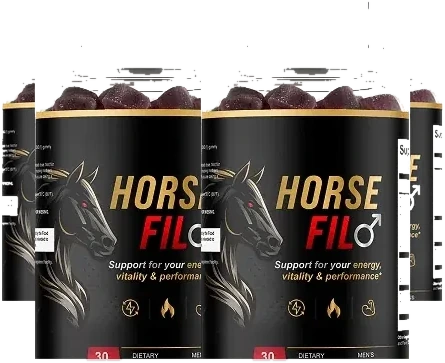
L-citrulline, L-carnitine, maca root, panax ginseng and rhodiola — each printed with its amount, made in a GMP-certified facility, for everyday energy, stamina and blood-flow support. Built on the same standardised, disclosed-dose principle the Tongkat Ali research rewards.
Check Horsefil at the Official Store