Anti Blood Sugar Spike Supplement: How Timing Around Meals Changes What You Get
Quick Answer: When Should You Take an Anti Blood Sugar Spike Supplement?
Take it when its mechanism needs to be there. Ingredients that work inside the gut — viscous fibres and carbohydrate-digestion blockers — have to arrive with or just before the food, usually within about fifteen minutes of eating, or they do nothing at all. Ingredients that work slowly on insulin sensitivity, like chromium or magnesium, accumulate over weeks, so consistency matters far more than the hour. The mistake almost everyone makes is treating those two categories as if they follow the same rules.
- Gut-acting ingredients: minutes before the meal, with a full glass of water.
- Cell-acting ingredients: same time daily, with food for tolerance — the clock barely matters.
- Bigger lever: a ten-minute walk after eating beats the timing of most capsules.
What actually happens in the two hours after you eat
A meal containing carbohydrate sets off a fairly predictable sequence. Starch and sugars are broken down in the small intestine, glucose crosses into the bloodstream, blood glucose climbs, the pancreas releases insulin, and tissues — skeletal muscle above all — pull glucose out of circulation. In a metabolically healthy person the curve rises, peaks somewhere in the first hour, and settles back down within two or three.
The height and shape of that curve is not fixed. It moves with the amount of carbohydrate, how processed it is, what else is on the plate, the time of day, how well you slept, and what you do afterwards. Continuous glucose monitors have made this visible to a lot of people for the first time, which is largely why the category exists at all.
Everything an anti blood sugar spike supplement can plausibly do sits in one of two places on that timeline: it can slow the delivery of glucose into the blood, or it can help tissues take glucose up more readily. Those are completely different jobs, and they demand completely different timing.
The three mechanisms, and the timing each one needs
One: slowing digestion. Viscous soluble fibres — psyllium, glucomannan, beta-glucan, ground fenugreek seed — thicken the contents of the stomach and small intestine. That slows gastric emptying and the rate at which glucose reaches the bloodstream, so the same meal produces a lower, wider curve rather than a sharp one. This is the best-understood mechanism in the whole category, and it is completely dependent on timing. The fibre has to be in the stomach with the food. Taken an hour after the plate is cleared, it is just fibre.
Two: interfering with carbohydrate breakdown. Some ingredients are studied for inhibiting the enzymes that cut starch into absorbable sugars — white kidney bean extract acting on amylase, mulberry leaf extract and its 1-deoxynojirimycin acting on alpha-glucosidase. The logic is the same as certain prescription medicines, though the effect from a supplement is much weaker. These also have to be present when the starch arrives, which is why trials give them shortly before the meal. Both can produce gas and bloating, for the obvious reason that undigested carbohydrate continues down the tract.
Three: nudging insulin sensitivity over time. Chromium, magnesium and, on stronger evidence than most, berberine are studied for effects that build over weeks rather than minutes. Here the daily hour is close to irrelevant. What matters is not missing doses. Berberine is a partial exception: it has a short half-life and is usually given with meals in trials, partly for tolerance and partly because its post-meal effect is part of what is being measured.
With food, before food, or away from it: the timing table
This is the reference table. It maps common glucose-support ingredients to the mechanism they act through, when studies actually administered them, and how much the timing genuinely matters.
| Ingredient | Mechanism | When trials gave it | Does timing matter? | Evidence strength |
|---|---|---|---|---|
| Psyllium / glucomannan | Viscous fibre slows gastric emptying | Just before or with the meal, with water | Critical | Good and consistent |
| Ground fenugreek seed | Viscous fibre, plus 4-hydroxyisoleucine | With meals, split across the day | Critical | Modest, small trials |
| White kidney bean extract | Amylase inhibition | Shortly before a starchy meal | Critical | Limited |
| Mulberry leaf extract | Alpha-glucosidase inhibition | Immediately before carbohydrate | Critical | Limited but mechanistically clear |
| Berberine | Cellular signalling, AMPK pathway | With meals, divided doses | Moderate | Strongest in the category |
| Chromium | Insulin signalling cofactor | Any consistent time, with food | Low | Weak and inconsistent |
| Magnesium | Enzyme cofactor; corrects a shortfall | Any consistent time; evening suits many | Low | Good if intake is low, otherwise unclear |
| Cinnamon | Polyphenols, insulin signalling | With meals, gram-level | Moderate | Inconsistent |
Timing is not a lifestyle preference, it is a property of the mechanism. Ask what an ingredient does before you ask when to take it, and the schedule answers itself.
A once-daily habit you will actually keep
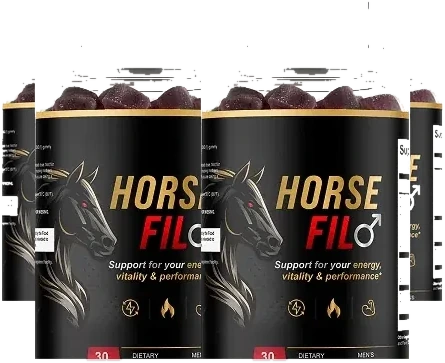
Horsefil is a men's vitality gummy rather than a glucose formula — but it is built for the kind of consistency this article argues matters most: one a day, every day, no timing puzzle.
See Horsefil at the Official StoreWhy an anti blood sugar spike supplement is the smaller lever
Here is the part the category tends to bury. Even where the trial data is decent, the effect of a supplement on a post-meal curve is small compared with the things that determine the curve in the first place: how much carbohydrate is on the plate, how refined it is, what else is eaten alongside it, and what happens in the hour afterwards. Community discussion tends to invert that ranking entirely, which is among the things forum threads about blood sugar supplements get wrong.
An anti blood sugar spike supplement is a modifier applied on top of a meal, not a replacement for the decisions that made the meal. In every trial in this field, participants kept eating their normal diets and the ingredient was tested as an addition. Nobody has ever shown that a capsule cancels a large refined-carbohydrate load, and the studies were not designed to test that.
That framing is worth holding onto when you are comparing products. If you have been searching for the best supplement for blood sugar control, the honest ranking puts the plate first, movement second, sleep third, and the bottle fourth. That order is not humility for its own sake — it reflects the relative effect sizes in the literature.

The non-supplement moves that outperform most capsules
Walk after eating. Ten to fifteen minutes of easy walking after a meal lowers the post-meal glucose rise, and the effect is consistent across studies. Contracting muscle pulls glucose from the blood through a pathway that does not depend heavily on insulin. It is free, it needs no label reading, and it works the same day you start.
Change the order on the plate. Eating vegetables, protein and fat before the starch produces a measurably flatter glucose curve than eating the same food in the reverse order. The food is identical; only the sequence changed. This is one of the more replicated findings in the area and one of the least marketed, because there is nothing to sell.
Add real fibre to the meal, not a capsule of it. Beans, oats, barley and whole fruit carry viscous fibre in the quantities that actually alter digestion. A few hundred milligrams in a blend cannot do what a bowl of lentils does. Fibre works by bulk, and bulk does not fit in a capsule.
Protect sleep. Short sleep reduces insulin sensitivity the following day in controlled studies, which means the same breakfast produces a higher curve after a bad night. No supplement in this category has a documented effect anywhere near the size of a week of proper sleep.
Building a routine that survives an ordinary week
Perfect protocols fail on Wednesdays. If a plan requires you to take one thing fifteen minutes before every meal, a second thing with food, and a third at bedtime, it will hold for four days and then quietly collapse. The practical version is to pick the smallest number of things that fit the way you already eat.
If your glucose concern is concentrated around one meal — usually the largest or most carbohydrate-heavy one — put the gut-acting ingredient there and stop trying to cover all three. If you are taking something that works over weeks, anchor it to a fixed daily event: the coffee you always make, the toothbrush you always use. Anchoring beats reminders.
And give it a fair trial length before deciding anything. Gut-acting ingredients declare themselves within a meal or two. Anything working through insulin sensitivity needs eight to twelve weeks of consistent use before you can say much, which is also roughly the shortest window in which people ask whether they found the best time to take blood sugar support supplement doses. The answer is usually that they did not take them long enough to know.
What timing cannot do
Timing is a multiplier on an effect that has to exist first. It cannot manufacture one. The most common disappointment with an anti blood sugar spike supplement is not a badly chosen hour — it is an ingredient that was never going to do much at the amount supplied. The separate question of which time of day suits a once-daily formula is one we work through in our comparison of morning versus evening glucose support dosing.
It cannot make an underdosed ingredient work. If a blend contains a token amount of fibre, taking it at the perfect moment changes nothing, because the mechanism needs grams and the capsule holds milligrams.
It cannot make any of this a treatment. These ingredients are studied as support for glucose that is already within a healthy range. Nothing here diagnoses, treats, cures or prevents diabetes or any other condition, and anyone managing a diagnosed condition needs a clinician rather than a schedule.
It cannot make combinations safe by itself. Stacking a gut-acting ingredient with glucose-lowering medication can push readings lower than intended, and the timing that maximises the supplement effect is exactly the timing that maximises that risk. This is a conversation to have before you start, not after.
And it cannot substitute for knowing what you actually bought. Half the timing questions people ask dissolve the moment they read the Supplement Facts panel and see which mechanism they are dealing with.
Medical note: this article is general information, not medical advice. If you take insulin, any glucose-lowering medication or an anticoagulant, or you are pregnant, speak to a healthcare professional before adding a glucose-support supplement. Several ingredients discussed here can interact with prescription medicines, and timing them around meals can change the size of that interaction.
Where Horsefil fits, and where it does not
To be straight about it: Horsefil is a men's vitality gummy, not a glucose product. It is built around L-citrulline and L-carnitine with maca root, panax ginseng and rhodiola rosea, and it is sold for everyday energy, stamina and performance support. It contains no fibre, no amylase inhibitor and nothing designed to sit between a meal and your bloodstream.
What it does share with the better ideas in this article is the timing logic. Adaptogens and amino-acid actives are studied over weeks of steady use, so the hour matters little and the streak matters a lot — which is the same reason a once-daily gummy tends to survive a real week better than a three-times-daily protocol. If the flat afternoons that sent you looking for the best blood sugar supplement are really an energy story rather than a glucose one, that distinction is worth drawing before you buy anything.
If you want the ingredient-level detail behind the herbs that dominate this shelf, our companion piece on cinnamon, fenugreek and gymnema covers what each one is actually studied to do and at what dose.
Frequently asked questions
When should you take a blood sugar support supplement?
It depends entirely on how the ingredient works. Viscous fibres and carbohydrate-digestion ingredients have to be in the stomach with or just before the food to do anything, so they are taken minutes before a meal. Ingredients that work by slowly influencing insulin sensitivity, such as chromium or magnesium, build up over weeks and the hour of day matters far less than taking them consistently.
Does taking a supplement before a meal work better than after?
For mechanisms that act inside the gut, yes. A viscous fibre needs to be mixed with the meal to slow how fast carbohydrate reaches the small intestine, and swallowing it after the plate is empty misses the window. For mechanisms that act on cells over weeks, before or after makes little difference. If the label does not tell you which kind you bought, that is a gap worth noticing.
Can a supplement flatten a glucose spike on its own?
Not to the degree marketing suggests. The size of a post-meal glucose rise is driven mostly by what is on the plate, how much of it there is, and what you do in the hour afterwards. Supplement effects in trials are real but small next to those variables, and they are studied as support for glucose already in a healthy range rather than as treatment for any condition.
What beats a supplement for post-meal glucose?
A short walk after eating is the single best-supported habit, because working muscle takes up glucose without needing much insulin. Eating protein, fat and vegetables before the starch on the plate also blunts the rise in controlled studies. Both are free, neither interacts with medication, and both have more consistent evidence behind them than most capsules.
Scientific references
- NIH NCCIH — Diabetes and Dietary Supplements: What the Science Says
- Buffey A.J. et al. — The acute effects of interrupting prolonged sitting time with standing and light-intensity walking on biomarkers of cardiometabolic health: a systematic review and meta-analysis, Sports Medicine (2022)
- Shukla A.P. et al. — Food order and postprandial glucose and insulin, Diabetes Care (2015)
- Harvard T.H. Chan School of Public Health — Carbohydrates and Blood Sugar
- Mayo Clinic — How food, activity and sleep affect blood glucose
One gummy, one time a day
Five named actives for everyday energy and stamina support, with the amounts printed on the panel rather than hidden in a blend. See what is in it before you decide.
Check Horsefil at the Official Store